

When people talk about Christmas in the Catholic Church, one of the most common questions that comes up is whether it’s considered a Holy Day of Obligation.
I’ve heard this question from new Catholics, curious readers, and even lifelong churchgoers who want a clear and simple answer. The term itself can sound a bit formal, but it plays an important role in how Catholics practice their faith.
In this guide, I’ll walk you through what a Holy Day of Obligation actually means, why Christmas holds such a central place in Catholic tradition, and how Catholics are expected to observe it. My goal is to make everything easy to understand, practical, and genuinely helpful.
Is Christmas a Holy Day of Obligation
Yes, Christmas is a Holy Day of Obligation in the Catholic Church. This means Catholics are required to attend Mass to honor the birth of Jesus Christ, which is considered one of the most important events in Christian belief.
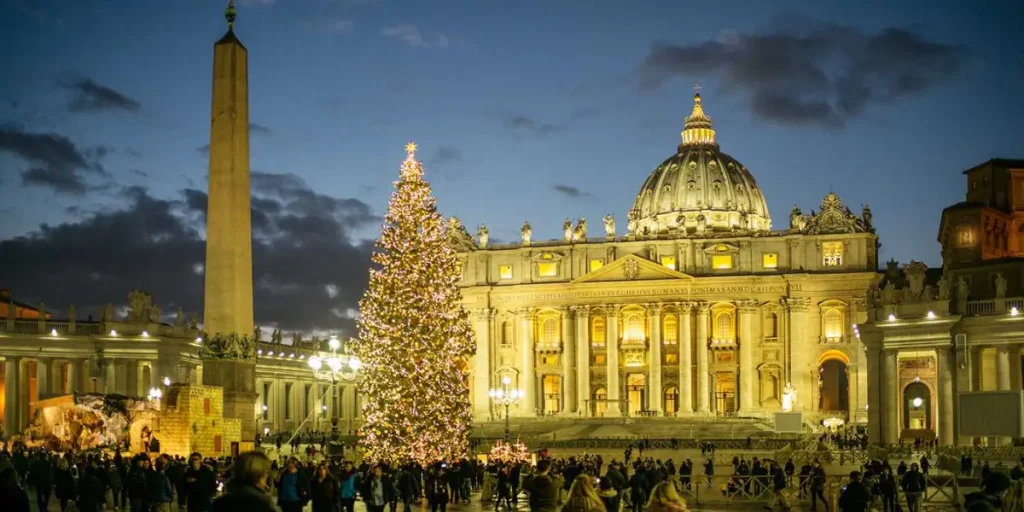
Because Christmas celebrates the moment God entered the world through the Incarnation, the Church places it among the highest feast days of the year, making Mass attendance a central part of the celebration.
Why Christmas Is a Holy Day of Obligation
Christmas is considered a Holy Day of Obligation because it celebrates the birth of Jesus Christ, an event at the very heart of Christian faith. The Church teaches that the Incarnation, God becoming human, is one of the greatest acts of love in salvation history.
For this reason, Christmas is ranked as one of the highest feast days in the Catholic liturgical calendar.
From a historical perspective, Catholics have honored Christmas with special Masses for centuries, recognizing it as a moment that changed the course of humanity.
Attending Mass on this day allows Catholics to reflect on the meaning of Christ’s birth, listen to scripture that tells the story of His arrival, and renew their sense of hope and faith during the season.
How Catholics Fulfill the Obligation on Christmas
Attending Christmas Mass
To fulfill the obligation, Catholics attend Mass either on Christmas Eve or on Christmas Day. Many choose the Vigil Mass on the evening of December 24, while others prefer the beauty of Midnight Mass or the quieter morning services on December 25.
All of these options count toward fulfilling the obligation, and each one includes scripture readings about the Nativity, traditional hymns, and prayers focused on the birth of Jesus.
Attending Mass is seen not just as a requirement but as a meaningful way to enter into the joy and spiritual depth of the season.
When the Obligation Can Be Excused
The Church understands that some situations make it impossible to attend Mass. Illness, caregiving responsibilities, or lack of available Masses, especially in remote areas, are valid reasons to be excused.
In these cases, Catholics are encouraged to pray at home and reflect on the meaning of the day. Local bishops can also grant dispensations when necessary, such as during severe weather or emergencies.
The goal is always spiritual intention, not hardship, so the Church offers flexibility when attendance becomes truly difficult.
Differences Between Christmas and Other Holy Days
Christmas is one of the most important Holy Days of Obligation, but it still stands apart from others such as All Saints’ Day or the Solemnity of Mary. Unlike some feast days that vary by country, Christmas is universally required for Catholics around the world.
It is also celebrated with greater emphasis, including special liturgies, unique scripture readings, and long-standing traditions like Midnight Mass.
While Easter holds the highest place in the Church year, Christmas remains one of the most cherished and widely observed feast days.
Common Misconceptions
Many people think that only Midnight Mass fulfills the obligation, but any approved Christmas Mass, Vigil, Midnight, or daytime, counts. Another misconception is that Christmas is just a cultural holiday, when in reality it is deeply rooted in Catholic teaching about the Incarnation.
Some also assume that attending Mass on Christmas Eve does not fulfill the requirement, but the Church clearly states that the Vigil Mass on December 24 does meet the obligation.
Clarifying these misunderstandings helps Catholics celebrate with confidence and proper understanding.
FAQs
Yes, attending the Christmas Vigil Mass on December 24 fulfills the obligation. The Church recognizes the Vigil as part of the Christmas celebration.
Traveling does not remove the obligation, but Catholics can attend any Catholic Mass wherever they are. If no Mass is available, the obligation is excused.
Confession is not mandatory for Christmas Mass unless someone is in serious sin. Many still go before Christmas to prepare spiritually.
Related Post
- Do Koreans Celebrate Christmas
- Best Christmas Baking Ideas for 2025
- Do Catholics Really Celebrate Christmas
- How to Flock a Christmas Tree
- Do Muslims Celebrate Christmas
Conclusion
Christmas stands as one of the most meaningful celebrations in the Catholic faith, and understanding why it is a Holy Day of Obligation helps make that significance even clearer.
By honoring the birth of Jesus through Mass, Catholics reconnect with the heart of their beliefs and the message of hope that the Incarnation brings. While the obligation encourages attendance, the deeper purpose is to invite believers into prayer, reflection, and gratitude during this sacred time.
Whether someone attends the Vigil, Midnight Mass, or a quiet morning liturgy, the focus remains the same: celebrating God’s love made present in the world.
Christmas is more than a tradition for Catholics; it is a moment to renew faith and embrace the true meaning of the season.