
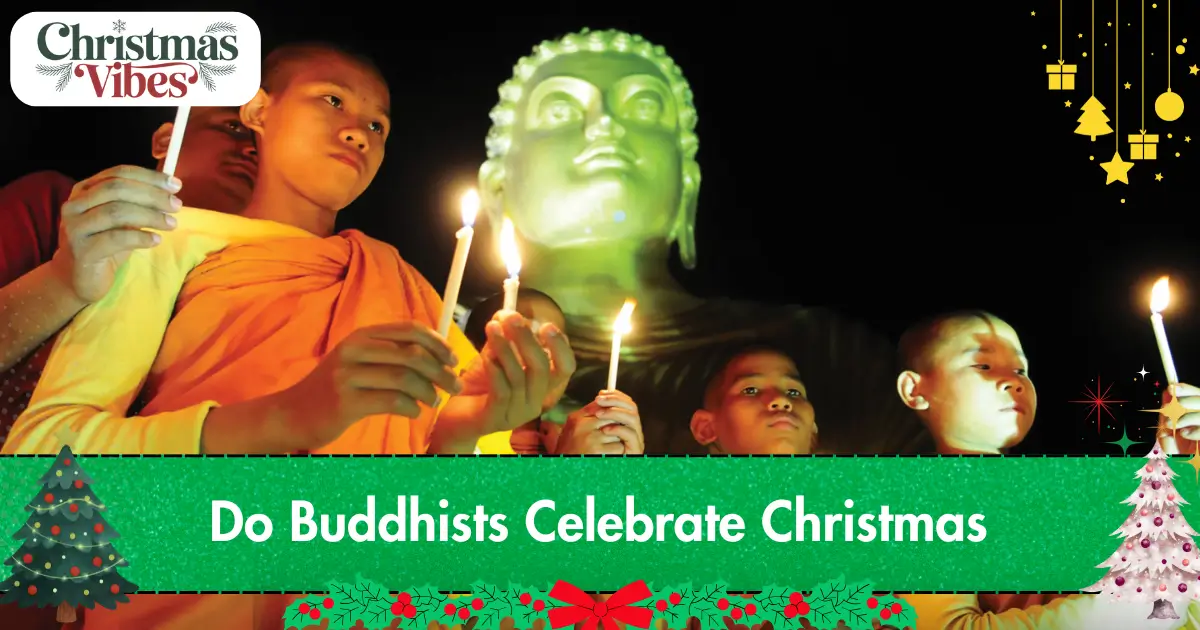

When people ask whether Buddhists celebrate Christmas, I understand the curiosity, it’s a question that often comes from noticing how widely Christmas is recognized around the world, even in places where Christianity isn’t the main religion.
Buddhism and Christianity have very different beliefs, yet the way Buddhists interact with Christmas isn’t always straightforward. Some treat it as a joyful cultural season, while others simply view it as another day.
In this article, I’ll walk you through the beliefs, traditions, and regional variations that shape how Buddhists relate to Christmas, so you get a clear, honest, and complete picture.
Do Buddhists Celebrate Christmas?
The straightforward answer is no, Buddhists do not celebrate Christmas as a religious holiday because it centers on the birth of Jesus, who is not part of Buddhist teachings.
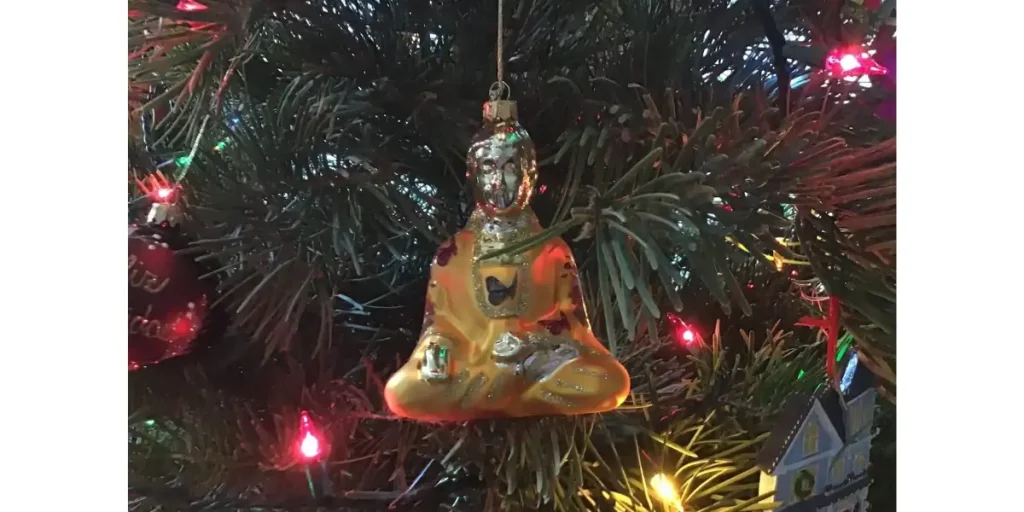
However, many Buddhists, especially in countries influenced by Western culture, do enjoy the cultural side of Christmas, such as lights, decorations, meals, and festive gatherings. Their participation is social, not spiritual, and doesn’t conflict with Buddhist beliefs.
Why Christmas Is Not a Religious Holiday for Buddhists
Buddhism is rooted in the teachings of Siddhartha Gautama, known as the Buddha, whose path focuses on mindfulness, compassion, and enlightenment. Christmas, on the other hand, is a Christian celebration honoring Jesus Christ.
Because Buddhism does not recognize Jesus as a divine figure or savior, Christmas has no place in Buddhist scripture or religious practice. Most Buddhists simply continue their normal routines on December 25, unless they choose to join cultural activities around them.
How Some Buddhists Participate Culturally
Even though Christmas isn’t a Buddhist religious holiday, many Buddhists still enjoy parts of the festive season in a light, cultural way.
In cities around the world, I’ve seen Buddhist families take photos with Christmas trees, exchange small gifts, or join friends for holiday meals, not because of religious meaning, but simply to share in the joy around them.
In schools, workplaces, and social gatherings, Christmas becomes more of a community event, filled with lights, music, and a cheerful atmosphere that people of all backgrounds can appreciate.
Country-by-Country Differences in Buddhist Christmas Celebrations
Christmas looks very different from one Buddhist-majority country to another.
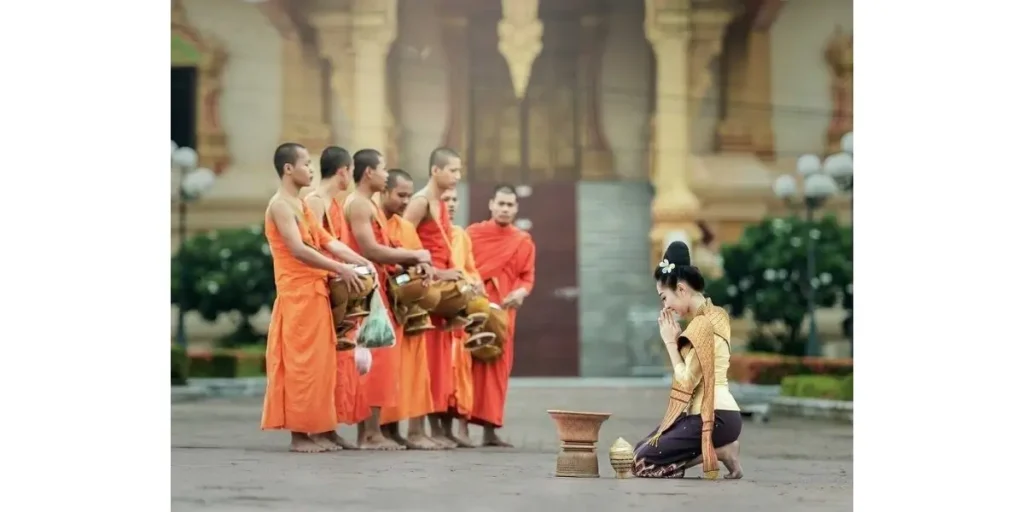
- Japan treats Christmas as a fun, romantic, and commercial holiday, more about lights and celebrations than religion.
- South Korea, with its mix of Christians and Buddhists, has a more festive environment where many Buddhists casually join the season’s activities.
- In Thailand, Christmas appears mostly in malls, schools, and tourist areas, creating a playful, welcoming vibe.
- Meanwhile, countries like Sri Lanka, Myanmar, Cambodia, and Laos have minimal religious connection to Christmas, but urban areas still enjoy decorations, events, and the seasonal excitement.
What Buddhists Celebrate Instead of Christmas
Instead of Christmas, Buddhists place their focus on Vesak (Buddha Day), the most important celebration in the Buddhist calendar. Vesak honors the birth, enlightenment, and passing of the Buddha, making it a deeply spiritual and reflective day.
The celebrations include visiting temples, offering food to monks, meditating, and engaging in acts of kindness.
While Vesak happens at a different time of year, the values behind it, compassion, generosity, and goodwill, can feel surprisingly similar to the warm spirit people associate with Christmas. For many Buddhists, these teachings shape how they approach every season, not just holidays.
How Buddhism Views Other Religious Holidays
One thing I’ve always found interesting is Buddhism’s open and respectful attitude toward other faiths.
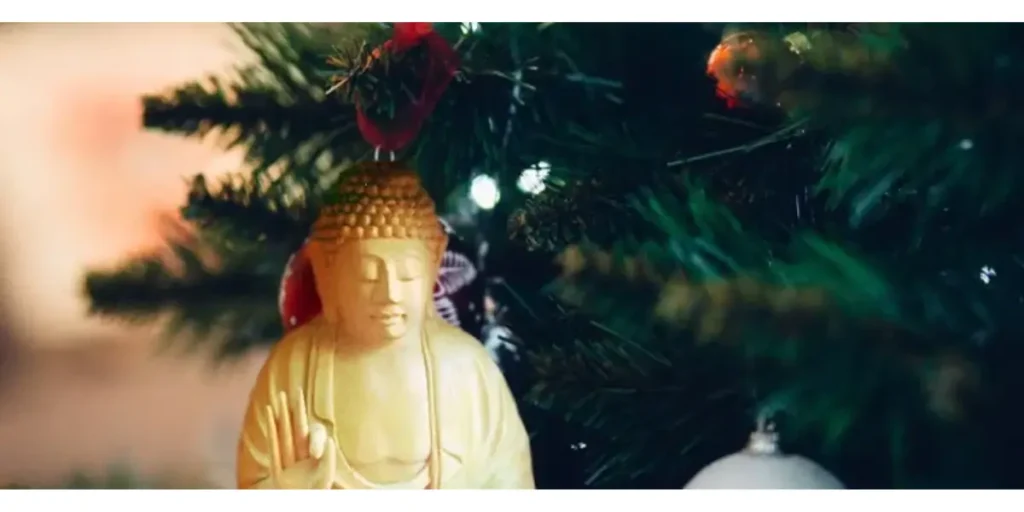
Buddhists generally don’t feel conflicted about appreciating or joining the non-religious parts of festivals like Christmas because their tradition emphasizes tolerance and understanding.
As long as someone isn’t engaging in worship that contradicts their beliefs, taking part socially is seen as harmless, and sometimes even meaningful.
This mindset explains why many Buddhists are comfortable enjoying holiday lights, exchanging gifts, or attending parties without feeling they’re stepping outside their spiritual path.
FAQs
Many Buddhists live in countries where Christmas is widely celebrated, so they naturally join the cultural fun, lights, gatherings, and festive meals. Their involvement is social, not religious, and doesn’t conflict with Buddhist values.
Most Buddhist-majority countries do not treat Christmas as a religious holiday. But in places like Japan, South Korea, and Thailand, you’ll still see decorations, events, and public celebrations, mainly for cultural or commercial reasons.
Yes, Buddhism is generally open and tolerant of other traditions. It’s perfectly fine for Buddhists to enjoy non-religious aspects like parties, family dinners, or decorations as long as they’re comfortable and not participating in Christian worship.
Related Post
- 10 Best Christmas Gift Ideas for Him
- 15 Best Christmas Gift Ideas for Your Wife
- How to Flock a Christmas Tree
- Do Koreans Celebrate Christmas?
- Is Christmas a Holy Day of Obligation
Conclusion
So, do Buddhists celebrate Christmas? Not in a religious sense, because Christmas is rooted in Christian beliefs that don’t align with Buddhist teachings. But culturally, the answer depends on where they live and how they personally approach the season.
In many modern or urban settings, Buddhists enjoy the festive lights, gatherings, and joyful atmosphere without attaching any spiritual meaning to it. Others simply spend the day as they would any other.
What stands out most to me is that Buddhism’s emphasis on kindness, peace, and compassion naturally aligns with the positive spirit people feel during Christmas making it easy for Buddhists to appreciate the season in their own way.